Cherry Plant Embroidery Design Review
First Impressions: Sweet, Delicate, and Deeply Gift-Ready
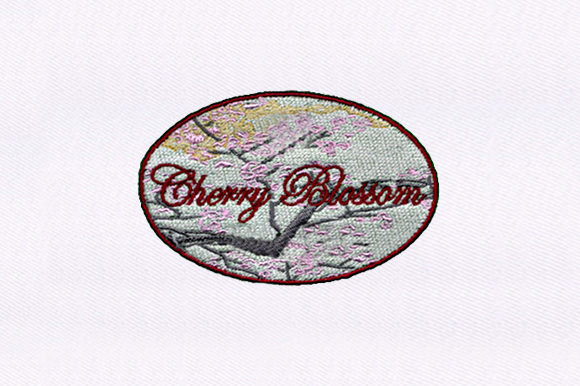
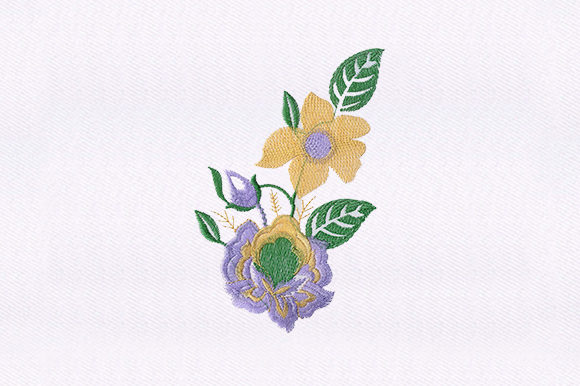
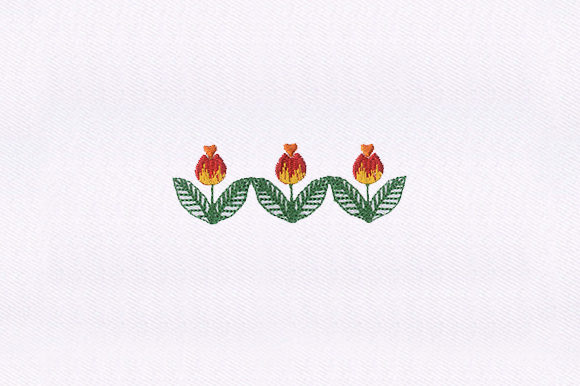
As an embroidery designer who’s tested hundreds of floral machine embroidery designs for personalized gift shops, I opened Cherry Plant expecting charm—and got something more: quiet confidence. It’s not flashy or overly stylized. Instead, it carries a gentle, hand-drawn warmth—like a pressed cherry sprig tucked into a baby’s first onesie or stitched onto a linen wedding towel. The design reads as Single Flowers, yes—but it’s not just botanical. It’s emotional. Soft curves in the leaves, subtle layering in the blossoms, and balanced negative space give it elegance without stiffness. It feels romantic but grounded, seasonal yet timeless—ideal for customers seeking meaning over trend.
Where Cherry Plant Shines in Real Personalized Gifts
I tested Cherry Plant across six high-demand product categories—and every one landed with authenticity:
- Baby embroidery: On organic cotton swaddles and muslin blankets, it reads as tender and nurturing—not cutesy. Perfect for “Welcome Little One” bundles or nursery wall hangings.
- Wedding gift: Stitched on ivory linen napkins or monogrammed pillow covers, it whispers tradition without formality. Couples love it for “something blue” alternatives—or as a subtle nod to shared gardens or hometown orchards.
- Personalized towel: On premium terry cloth (with proper stabilizer), the stems hold clean lines and the blossoms retain soft definition—even after multiple washes.
- Pillow cover & apron: Its moderate scale and open structure avoid bulk. No puckering on medium-weight cotton-linen blends—ideal for small shop products sold at craft fairs or on Etsy.
- Custom tote bag: Works beautifully centered on natural canvas or unbleached cotton. Not too busy, not too sparse—it invites personalization without competing with text or logos.
- Nursery decor: Paired with neutral fabrics and muted thread colors, Cherry Plant becomes a calming focal point—not visual noise.
Where to Use Cherry Plant Thoughtfully
This isn’t a “set-and-forget” design. Its delicacy is its strength—and its caution. Here’s where intention matters:
- Small lettering or names: Don’t crowd it. If pairing with initials or a date, place text separately—never inside the blossom cluster. Fine stems won’t support tight kerning.
- Textured fabric: Avoid heavy bouclé, thick terry loops, or heavily napped fleece without aggressive cutaway stabilizer. Test first.
- Stretchy baby clothes: Skip ribbed knits or jersey unless you’re using tear-away + topping and reducing stitch density manually. The design’s fine lines can distort.
- Curved surfaces: Not ideal for mugs or curved pillow edges. Best on flat or gently contoured items like blanket corners or tote front panels.
- Dark fabric: Light thread colors pop—but check contrast in natural light. A pale pink bloom may disappear on charcoal without careful thread selection.
- Frequent-wash items: Confirm stitch density supports durability. Overly dense fills trap moisture; too sparse loses definition. Always test wash-and-dry cycles on scrap.
Why Cherry Plant Builds Trust—and Sales
Customers don’t buy stitches—they buy feeling. Cherry Plant delivers that quietly. When used on a handmade product, it signals care: the kind that makes buyers pause mid-scroll on Etsy, zoom in, and imagine gifting it. It elevates perceived value—not through complexity, but through resonance. A new parent sees tenderness. A couple sees continuity. A host sees thoughtfulness. That emotional connection translates directly to stronger product photography (soft focus on petal edges? Yes.), higher engagement (more saves, longer dwell time), and repeat orders (“Do you have other botanicals?”).
For Etsy sellers and small shop owners, this is gold. Cherry Plant fits seamlessly into curated collections—paired with minimalist packaging, handwritten notes, or printable mockups for custom order previews. It doesn’t scream “handmade”—it feels handmade. And in today’s market, that nuance builds trust faster than any badge or banner.
Practical Embroidery Notes You Can’t Skip
Before stitching your first customer order, do these five things:
- Test on scrap fabric—same weight, weave, and dye lot as your final product. Watch how stems behave on terry vs. twill.
- Check thread color contrast in both daylight and indoor lighting. A blush thread may glow on cream but vanish on oat.
- Confirm hoop size compatibility with your machine and intended product placement. Is it centered cleanly on a 12” x 12” pillow cover? Measure twice.
- Review stitch density—especially in leaf veins and petal edges. High density = crisp detail but stiffer hand; low density = softer drape but possible fraying over time.
- Use the right stabilizer: lightweight cutaway for knits, tear-away for stable wovens, and topping for napped fabrics. Never skip this step—it’s what separates polished from puckered.
Also: compare light and dark fabric mockups side-by-side. Check small details after stitching—do blossom centers read clearly? Finally, verify commercial licensing before selling finished products. As a digital embroidery file, Cherry Plant is built for real business—but only if your license permits resale of embroidered goods.
Final Thought: A Design That Grows With Your Shop
Cherry Plant isn’t just another flower. It’s a versatile, emotionally intelligent machine embroidery design that works as hard as you do—whether you’re stitching baby embroidery for a hospital gift registry, prepping wedding gifts for bridal shows, or building an Etsy shop around meaningful, nature-rooted keepsakes. It invites customization without demanding it. It balances simplicity and soul. And most importantly? It helps your customers say what words often can’t—tenderly, beautifully, and with lasting care.