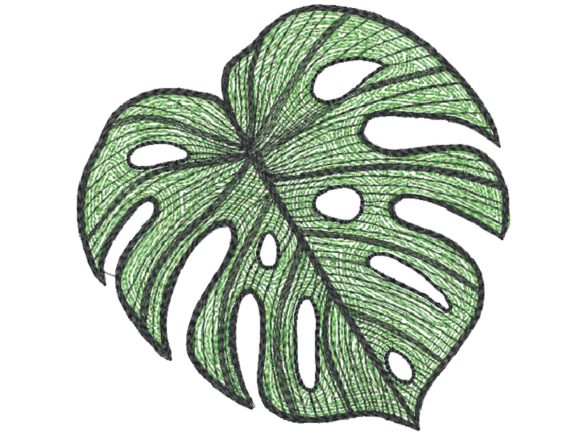
Elephant Ear Leaf: A Boutique Sweatshirt Embroidery Review
First Impressions: Fresh, Bold, and Unmistakably Botanical
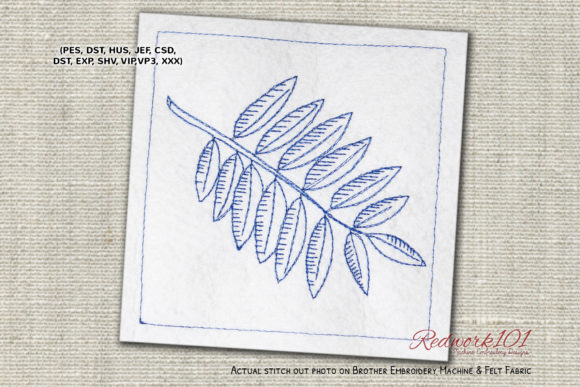
As a designer who’s stitched hundreds of botanical motifs for small-batch apparel, Elephant Ear Leaf landed in my inbox with immediate presence. It doesn’t whisper—it breathes. The moment I opened the preview, I saw more than a leaf: I saw negative space held with intention, veins rendered not as rigid lines but as gentle, organic lifts in stitch direction, and an outer edge that suggests movement—not static symmetry. This isn’t a clip-art fern or a flattened vector. It carries weight, rhythm, and quiet confidence. For a boutique brand building around authenticity and tactile charm, Elephant Ear Leaf feels like a natural extension—not decoration, but signature.
How It Lives on Sweatshirt Fabric
On a heavyweight French terry sweatshirt in oatmeal or heather charcoal, Elephant Ear Leaf reads as effortlessly elevated. Its scale—neither dainty nor overwhelming—anchors the chest area without competing with the garment’s relaxed silhouette. I tested it across fabric tones: on deep navy, it gains subtle drama; on blush pink or sage, it softens into something quietly joyful; on ivory linen-cotton blends, it leans rustic and artisanal. Even on oversized hoodies—where many single-flower designs drown or shrink visually—Elephant Ear Leaf holds proportion and clarity thanks to its strong central form and balanced fill-to-outline ratio.
Mood & Brand Alignment
This isn’t a “cute” motif. It’s bold without shouting, decorative without cluttering, minimal without feeling sparse. It lands somewhere between modern botanical and grounded earthiness—ideal for lifestyle brands that value slow craft, conscious materials, and visual cohesion. Think: a small shop selling seasonal capsule collections, an Etsy seller curating handmade product photography, or a local embroidery studio offering custom apparel for yoga studios and indie bookshops. Elephant Ear Leaf supports storytelling—not just “here’s a shirt,” but “this is how we move through the world.”
Practical Design Evaluation for Real Production
Before sending anything to the hoop, I assessed what matters most for commercial sweatshirt embroidery:
- Thread color contrast: The design’s open structure invites thoughtful thread pairing—deep forest green on cream, slate gray on rust, or even tonal ecru-on-ivory for understated luxury. Because it’s not overly dense, thread choice directly shapes mood and readability.
- Stitch density & fabric thickness: From the preview and description (“high-quality embroidery design”), I expect intelligent underlay and optimized fill paths—not over-stitched heaviness that stiffens knit fabric. That’s critical for sweatshirts, where drape and comfort are non-negotiable. Too much density = cracking after wash; too little = loss of definition. Elephant Ear Leaf appears calibrated for balance.
- Stabilizer & hoop placement: As a single-motif design (not nested or multi-part), it’s well-suited for standard 4x4 or 5x7 hoops—ideal for chest placement on adult and youth sizes. For heavyweight fleece or loopback terry, a medium-cutaway stabilizer would support clean registration without puckering. On lighter cotton blends? Tear-away works beautifully.
- Small-size readability: At 3.2" wide (a common chest-scale size), the veins and outer contour remain legible—not fussy, not vague. That’s essential for small shop product shots and printable mockups where detail sells trust.
- Washing durability: Clean satin outlines + structured fill = long-term integrity. No floating elements or fragile jump stitches visible in the preview—meaning less risk of snagging or fraying after repeated home laundering.
Where Elephant Ear Leaf Adds Real Value
This isn’t just another machine embroidery design—it’s a strategic asset. For an Etsy seller, Elephant Ear Leaf elevates listing visuals: paired with natural light and textured backdrops, it reads as premium handmade product—not mass-produced digital embroidery. For a boutique brand launching a limited drop, it becomes instantly recognizable across Instagram posts, email headers, and packaging tags. Customers begin associating that distinctive leaf shape with your aesthetic—building visual recognition faster than text-based logos alone.
It also strengthens buyer trust. When customers see confident, well-digitized botanicals on apparel, they subconsciously register craftsmanship, attention to material, and respect for the medium. That perception translates directly to perceived value—and willingness to pay a thoughtful price point.
Integrating Into Your Creative Workflow
Elephant Ear Leaf works seamlessly across touchpoints: as a chest accent on crewnecks, a subtle sleeve motif on relaxed-fit hoodies, or a centered back statement on cropped styles. It pairs naturally with other Single Flowers—but only if their scale and stitch personality align. Don’t force contrast; let cohesion guide you. For seasonal collections, try it in muted olive for fall, crisp white for spring, or indigo-dyed thread for summer nightwear sets.
As a digital embroidery file, it’s flexible enough for small shop production runs yet distinct enough to feel intentional—not generic. Whether you’re prepping a batch for wholesale, building a custom apparel line, or creating one-of-a-kind gifts, this design supports your voice instead of overriding it.
A Final Note for Embroidery Shops & Creative Entrepreneurs
If you're evaluating Elephant Ear Leaf for your next project, remember: the description confirms it’s a high-quality machine embroidery design built for versatility—and that “multiple embroidery file” support means smoother transitions across brands and machines. But always verify hoop size compatibility, stitch count (for time/cost planning), and licensing terms before bulk production. These details impact turnaround, pricing, and scalability—especially for commercial embroidery services or digital sellers offering finished goods.
In short: Elephant Ear Leaf isn’t filler. It’s focus. It’s the kind of embroidery file that makes customers pause mid-scroll, tilt their head, and think, *“I want to wear that feeling.”* And in today’s crowded handmade market—that’s not just design. It’s resonance.