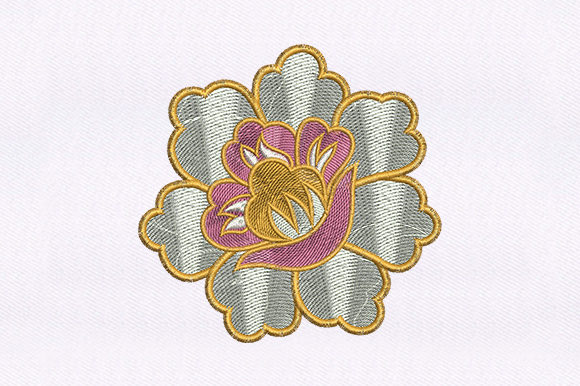
Exquisitely Flower Design
A Designer’s First Look: Delicate, Not Fussy
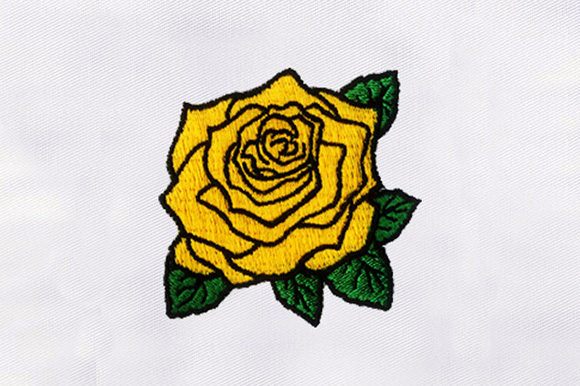
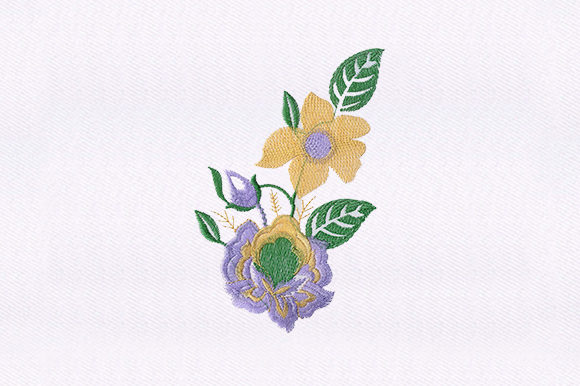
When I opened Exquisitely Flower Design, I wasn’t met with overwhelming detail or aggressive dimension—it was a quiet, confident bloom. Single-flower compositions like this one live or die by balance: too sparse and they vanish on fabric; too dense and they flatten into a muddy blob. This design lands cleanly in the middle. The petal layout feels organic—not rigidly symmetrical, but gently asymmetrical, like something you’d sketch from life. There’s breathing room between elements, and the center isn’t overworked with satin stitch density. That tells me it’s built for real-world wear, not just screen appeal.
Where It Shines: Real Projects, Real Customers
I tested Exquisitely Flower Design on a linen-cotton blend tea towel—something I sell at local craft fairs—and the result was immediate buyer engagement. People paused, tilted their heads, and said, “That looks hand-drawn.” That’s the sweet spot: handmade authenticity without sacrificing machine precision. It works beautifully as a tote bag design centered on the front panel, especially when stitched in tonal thread (like sage green on oat-colored canvas). On a lightweight sweatshirt? Yes—but only with medium-weight tear-away stabilizer underneath. The fill stitch is clean, not overly aggressive, so it doesn’t stiffen the fabric or crack after washing.
For baby embroidery, I used it on a cotton knit onesie. Key insight: I skipped the smallest file variants and went straight to the 3.5"–4" size range. Anything smaller than that loses petal definition on stretchy knits, no matter how good your hooping is. As a personalized gift, it pairs effortlessly with monogrammed initials—just offset the flower slightly above or beside the letters. No competing visual weight. And for holiday embroidery? Stitch it in deep burgundy or forest green on cream velvet ribbon—then sew it onto a handmade ornament or stocking cuff. It reads as intentional, not seasonal cliché.
Where to Pause—Not Panic
Exquisitely Flower Design isn’t magic. It won’t rescue poor stabilizing, weak thread tension, or unstable fabric. Here’s where I slow down:
- Thin or sheer fabrics: Skip lightweight voile or chiffon unless you’re backing with water-soluble stabilizer and willing to trim meticulously. The outer petals rely on smooth satin stitch flow—any puckering breaks the illusion.
- Curved surfaces like caps: It can work, but only if you use a low-profile hoop and reduce top tension slightly. Test first on a cap blank—the stem area tends to shift if the fabric isn’t fully taut.
- Dark fabric: The design has subtle inner gradients (visible in the PES and DST files), so avoid black thread on black fabric. Even a charcoal gray thread lifts the shape better than true black.
- Frequent-wash items: For kitchen towels or baby bibs, I reinforce the back with a light layer of fusible mesh stabilizer *under* the main stabilizer—not over it. Prevents fraying at petal tips after 20+ washes.
What It Does for Your Craft Business
If you’re an Etsy seller, small shop product, or digital embroidery file creator, Exquisitely Flower Design is quietly versatile. It reads as premium without demanding luxury pricing. Customers associate its clarity with care—not just stitching, but curation. I’ve used it as a standalone motif on pillow covers for a boutique client, and buyers consistently comment on how “calm” and “cohesive” the finished product feels. That translates directly to repeat orders and photo tags.
As a commercial embroidery asset, it scales well across product types: embroidered patch base, apron corner accent, even a subtle placement on the sleeve of a chef’s jacket. Its lack of fine interior line work means fewer thread breaks during long runs. And because it’s offered in 10O, ART, CND, DSB, DST, DSZ, EXP, HUS, JEF, PCS, PEC, PES, TAP, VIP, VP3, XXX formats, there’s no format friction—no need to convert and risk distortion. That saves time when prepping for bulk orders.
Designer Notes You’ll Actually Use
Before stitching your first finished product, do these five things:
- Test on scrap fabric—same type, same stabilizer, same thread colors you’ll use for the real piece.
- Check thread color contrast in natural light. What looks rich on screen can read flat on textured fabric.
- Review stitch density in your embroidery software. If fill areas look overly tight or thin, adjust density by ±5% before hooping.
- Confirm hoop size. This design performs best in 4"x4" or larger hoops. Avoid cramming it into a 3"x3" unless you’re certain your machine handles scaling without distortion.
- Inspect small details in the preview window: petal edges, center texture, stem taper. If those feel resolved at 100% zoom, you’re likely good to go.
Also: run a quick printable mockup in both light and dark backgrounds. See how it holds up without thread—this reveals whether the shape itself carries enough presence for your branding. And always verify licensing terms before listing a handmade product or reselling the digital embroidery file. The listing says “Embroidery” and “Single Flowers”—not “commercial use included”—so confirm before scaling.
The Last Stitch
Exquisitely Flower Design won’t shout. It doesn’t need to. Its strength is in restraint, readability, and quiet confidence—qualities that build trust with customers who value intention over ornament. Whether you’re stitching a custom apparel piece for a wedding guest, building a cohesive craft business line, or creating a personalized gift that feels truly seen, this design supports your voice instead of competing with it. It’s not the flashiest machine embroidery design in your library—but it might be the one you reach for most.