Monstera: Fresh, Modern & Booth-Ready
First Impression: Bold Yet Balanced
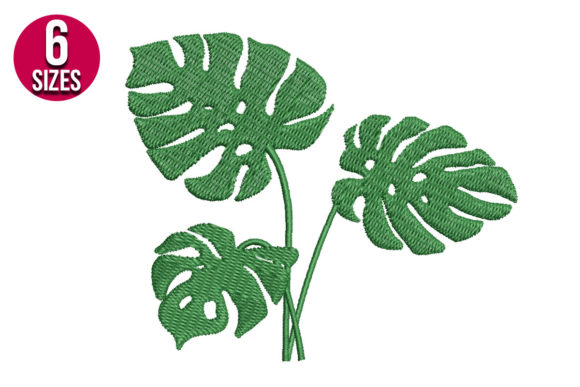
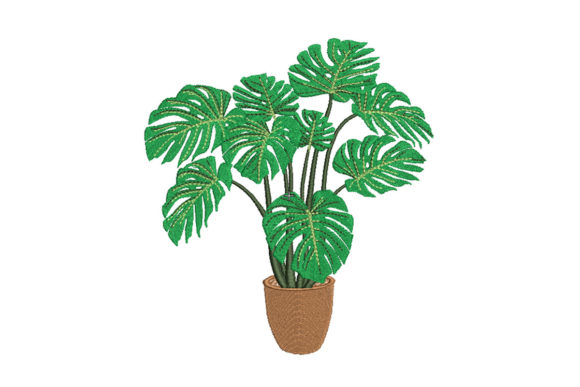
Right out of the gate, Monstera lands as confidently modern—not fussy, not retro, not overly botanical. It’s not a dainty single flower; it’s a statement leaf with rhythm and airiness. That “fresh and modern feel” in the description isn’t marketing fluff—it’s accurate. In a craft fair booth crowded with florals, script fonts, and rustic motifs, Monstera stands apart: clean-lined, slightly architectural, and effortlessly current. It reads as premium without being cold—ideal for makers who want handmade quality to feel intentional, not quaint.
Where Monstera Shines on Craft Fair Products
This machine embroidery design thrives where clarity, scale, and context align. Here’s how it performs across your most common small shop products:
- Tote bag design: A standout. Centered on a natural canvas or oat-colored linen tote, Monstera reads instantly—even from six feet away. Its open leaf structure avoids visual heaviness, making it ideal for reusable market bags that need personality without clutter.
- Apron embroidery: Works beautifully on bibs or pockets. The asymmetry of the leaf complements apron shapes organically. Avoid placing it too low on the waistband where stitching may distort on movement—opt for upper chest or pocket placement instead.
- Tea towel embroidery: Excellent, especially on tightly woven cotton or linen blends. The design’s negative space lets fabric breathe, preventing stiffness. Just remember: textured towels demand lighter stitch density—test first.
- Embroidered patch: Highly viable. Clean outer edge + strong internal contrast makes Monstera hold up well when cut and ironed. Perfect for attaching to denim jackets, backpacks, or kids’ lunchboxes—high engagement items at craft fairs.
- Pillow cover & pouch embroidery: Ideal for medium-to-large placements. The leaf’s flow suits rectangular surfaces, and its organic shape softens structured items like linen pillow covers or drawstring fabric pouches.
- Caps & curved surfaces: Proceed with caution. Monstera’s larger leaf elements may pucker or stretch unevenly on rigid caps unless digitized specifically for curved hoops. Stick to flat-front panels or skip caps entirely unless you’ve tested on scrap.
What Makes Monstera Sell—Beyond Aesthetics
As an embroidery designer prepping for a weekend booth, I ask: *Does this make people pause? Does it photograph well for my Etsy seller listings? Can I produce five versions before noon?* Monstera passes all three.
It’s glance-friendly—no tiny stems or micro-details that vanish in booth lighting or smartphone photos. Its silhouette is legible at 3”, 6”, or 10”. That means your printable mockups convert better, your Instagram flat lays pop, and your booth samples (like that embroidered tea towel draped over a basket) catch eyes without shouting.
It also supports brand consistency. Whether you’re selling minimalist home goods or playful apparel, Monstera adapts—swap thread colors (forest green + cream vs. charcoal + blush), change fabric bases (black denim vs. ivory linen), and it still reads as *yours*. That flexibility is gold for small shop product lines.
Careful-Use Notes: Protect Your Production Flow
Don’t assume Monstera is “plug-and-stitch.” Real-world embroidery demands attention to detail:
- Dense stitch areas: Check the leaf veins and central rib—if digitized with heavy satin or fill, they may stiffen lightweight fabrics. Test on your exact fabric blend before batching.
- Fabric texture matters: On terry cloth towels or bouclé throws, fine details blur. Simplify or enlarge Monstera slightly for highly textured surfaces.
- Dark fabric warning: Light thread on black/dark navy can look washed out. Use high-contrast thread colors (ivory, lime, or metallic silver) and confirm visibility in person—not just on screen.
- Small sizes lose impact: Below 2.5”, Monstera’s perforated edges and subtle contours soften into a blob. Reserve smaller versions for patches or liner accents—not primary focal points.
- Hoop size & stabilizer: Confirm the embroidery file’s recommended hoop size before cutting. Pair with medium-weight cutaway stabilizer for home decor; tear-away works for stable cottons. Skip fusible web alone—it won’t support Monstera’s coverage.
Designer-to-Designer: Your Pre-Production Checklist
Before cutting your first batch of embroidered totes or listing Monstera on Etsy:
- Stitch out the design on scrap fabric matching your intended product—same weight, weave, and color.
- Check thread contrast under both natural light and warm booth lighting.
- Review spacing between leaf elements—is there enough breathing room near edges or seams?
- Inspect stitch density: does the leaf feel crisp or muddy? Adjust tension or stabilizer if needed.
- Create at least one real mockup—a finished tote or tea towel—not just a digital preview.
- Compare thread colors across 2–3 fabric bases (e.g., natural linen, charcoal cotton, oat canvas) to see how Monstera shifts tone.
- Verify commercial embroidery rights. This is a digital embroidery file intended for resale of finished products—confirm licensing terms before selling as a small shop product.
Final Thought: Monstera Is Booth Fuel
In the whirlwind of craft fair prep—packing displays, pricing tags, and last-minute stitching—Monstera is the kind of embroidery file that earns trust. It’s versatile enough for Single Flowers collections yet distinct enough to anchor a full line of handmade product. It photographs cleanly for Etsy seller listings, stitches reliably across common fabrics, and carries that quiet confidence customers associate with considered design—not trend-chasing.
For the embroidery business owner, boutique maker, or Cricut-curious creative: Monstera isn’t just another floral. It’s a fresh, modern, and commercially smart addition to your design assets—ready to elevate your next craft fair product drop.